The Start of Šventoji Seaport Construction Has Been Officially Marked
The Start of Šventoji Seaport Construction Has Been Officially Marked
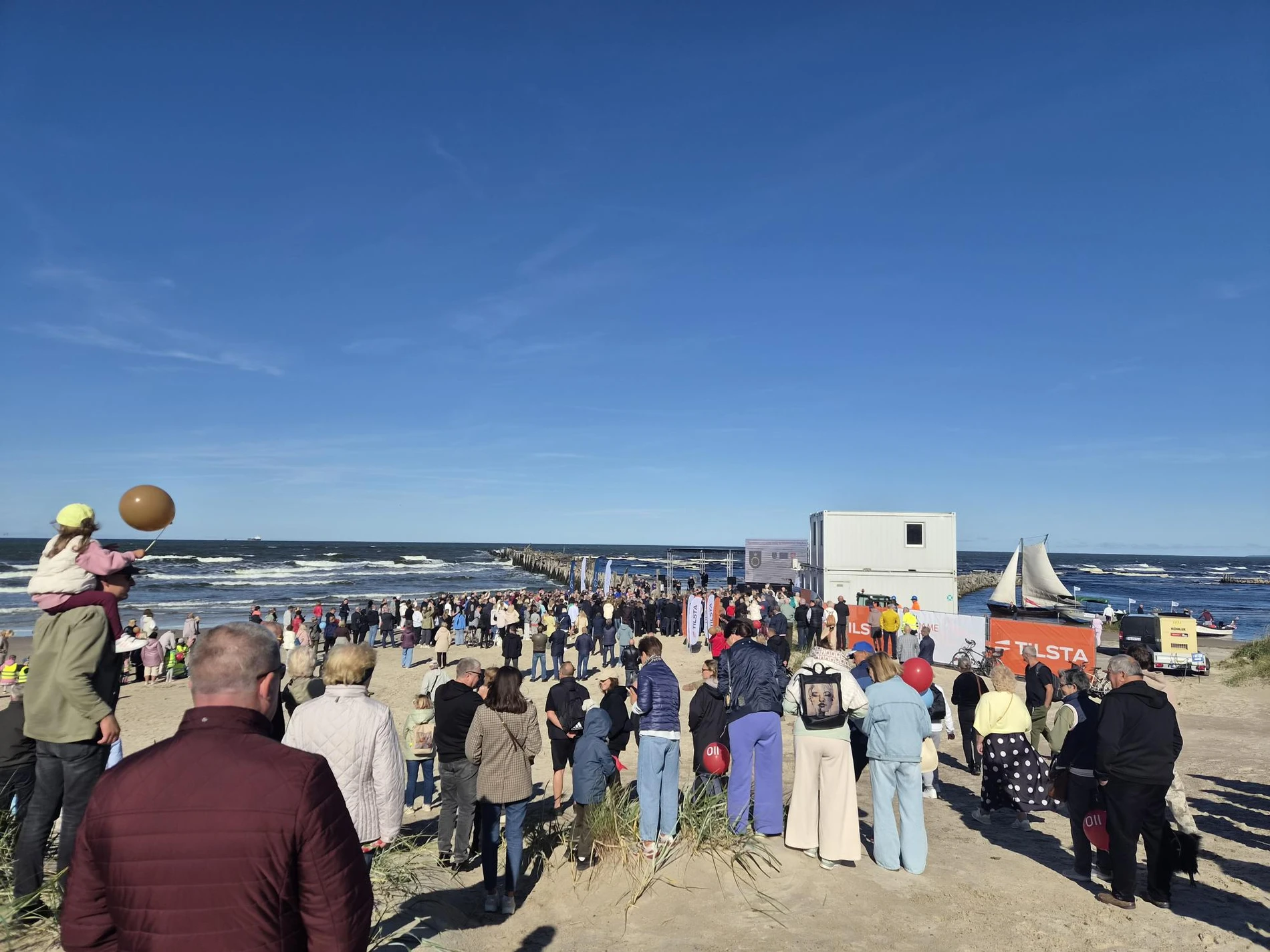
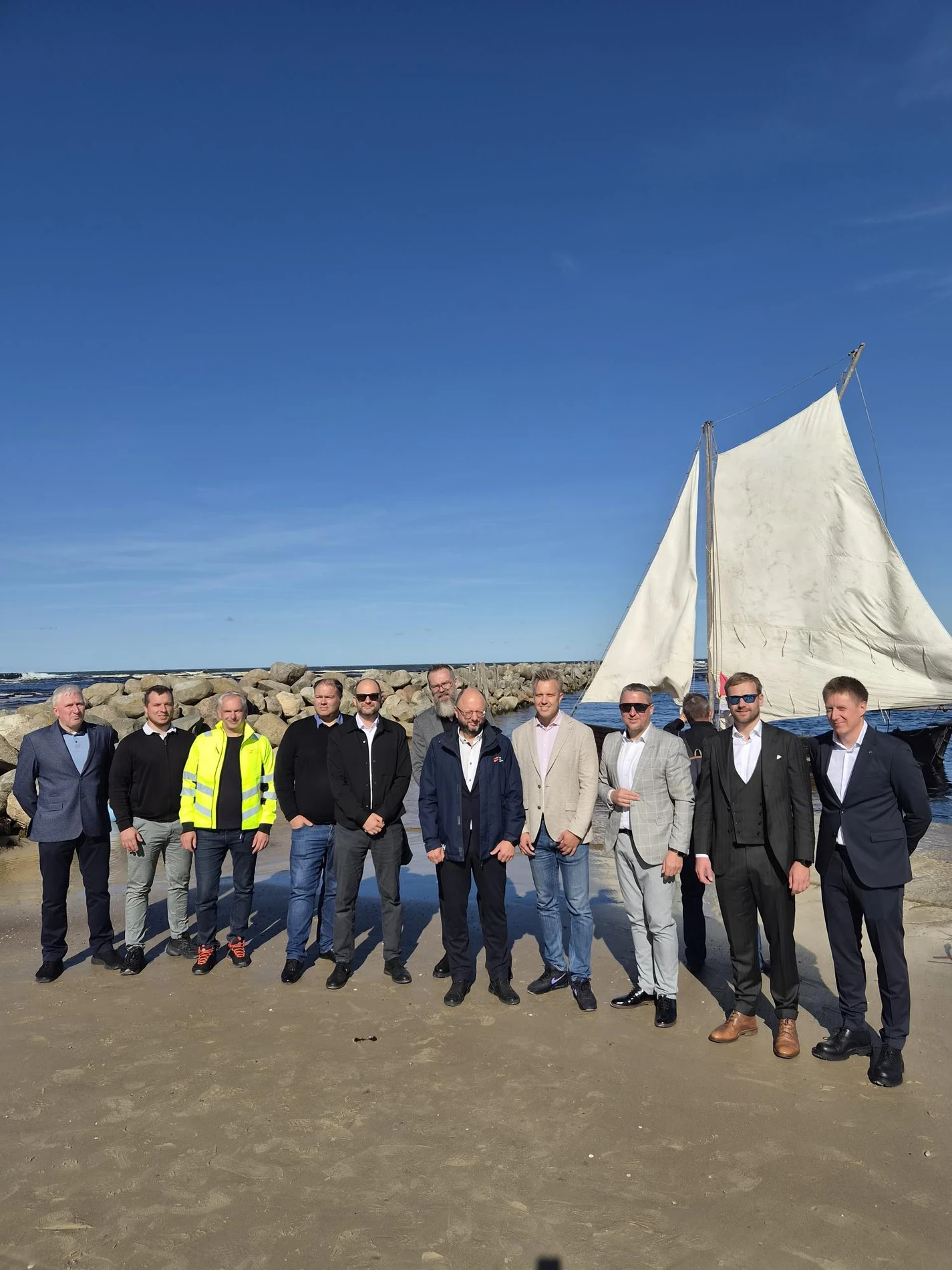
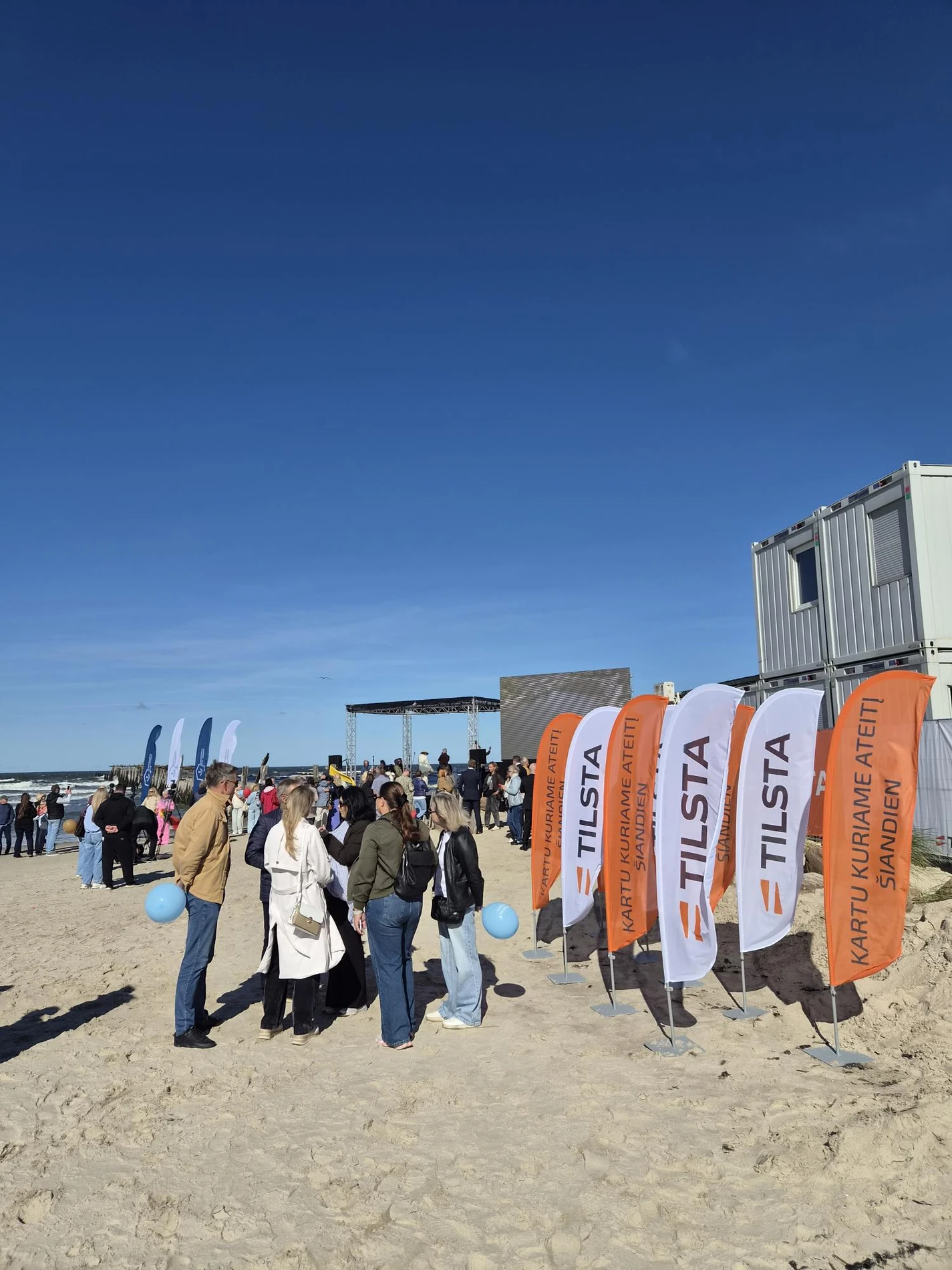
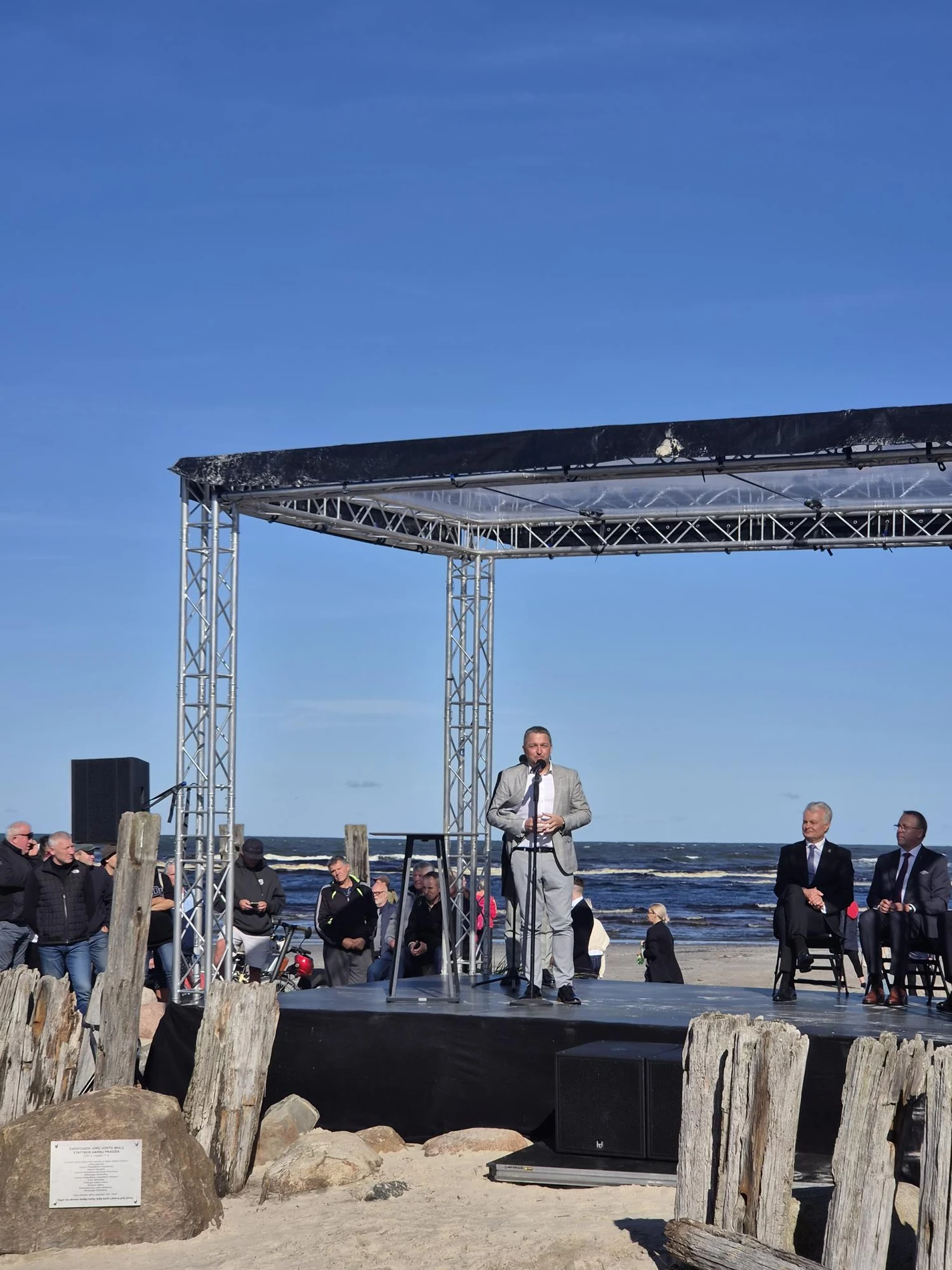
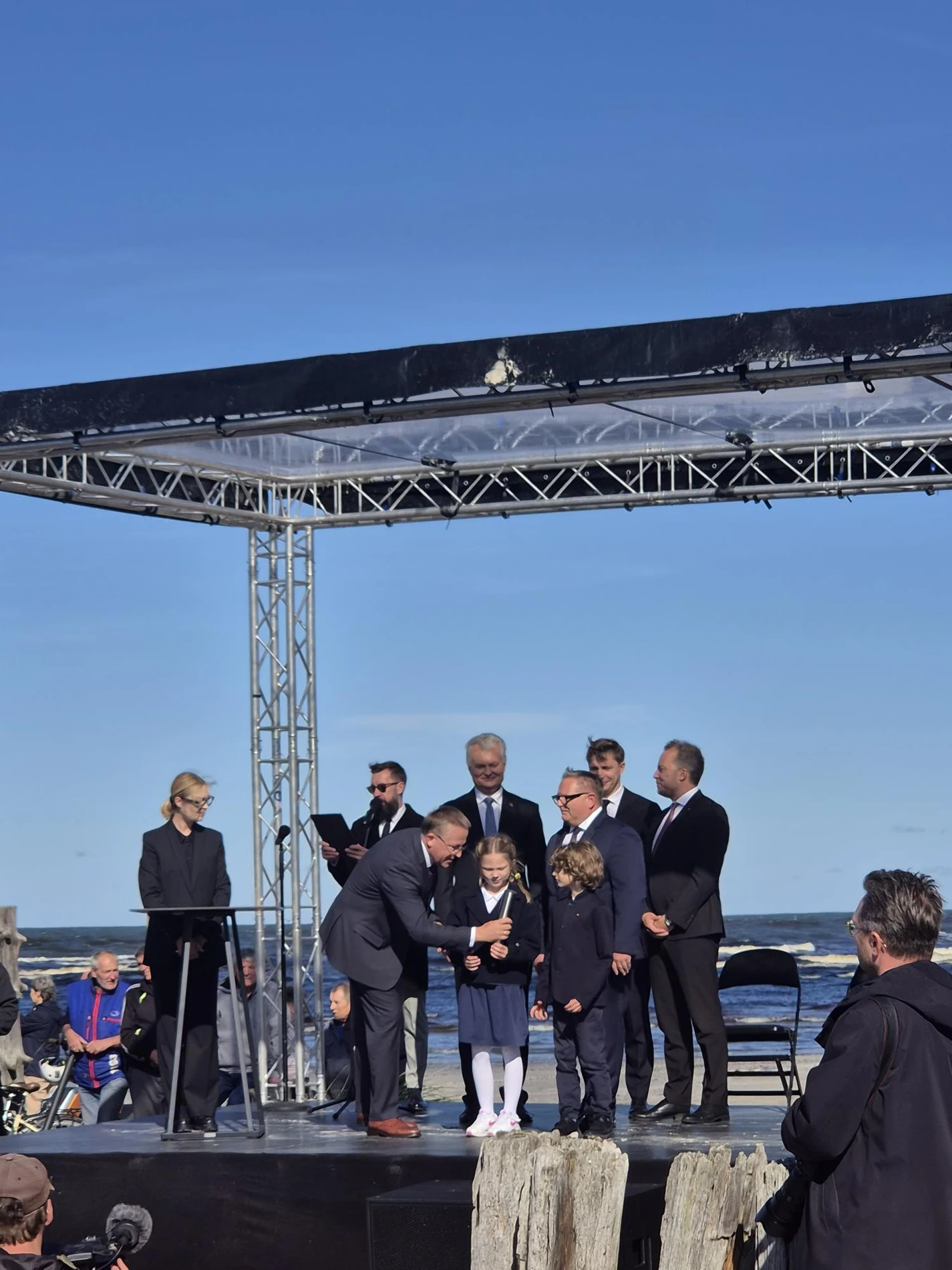
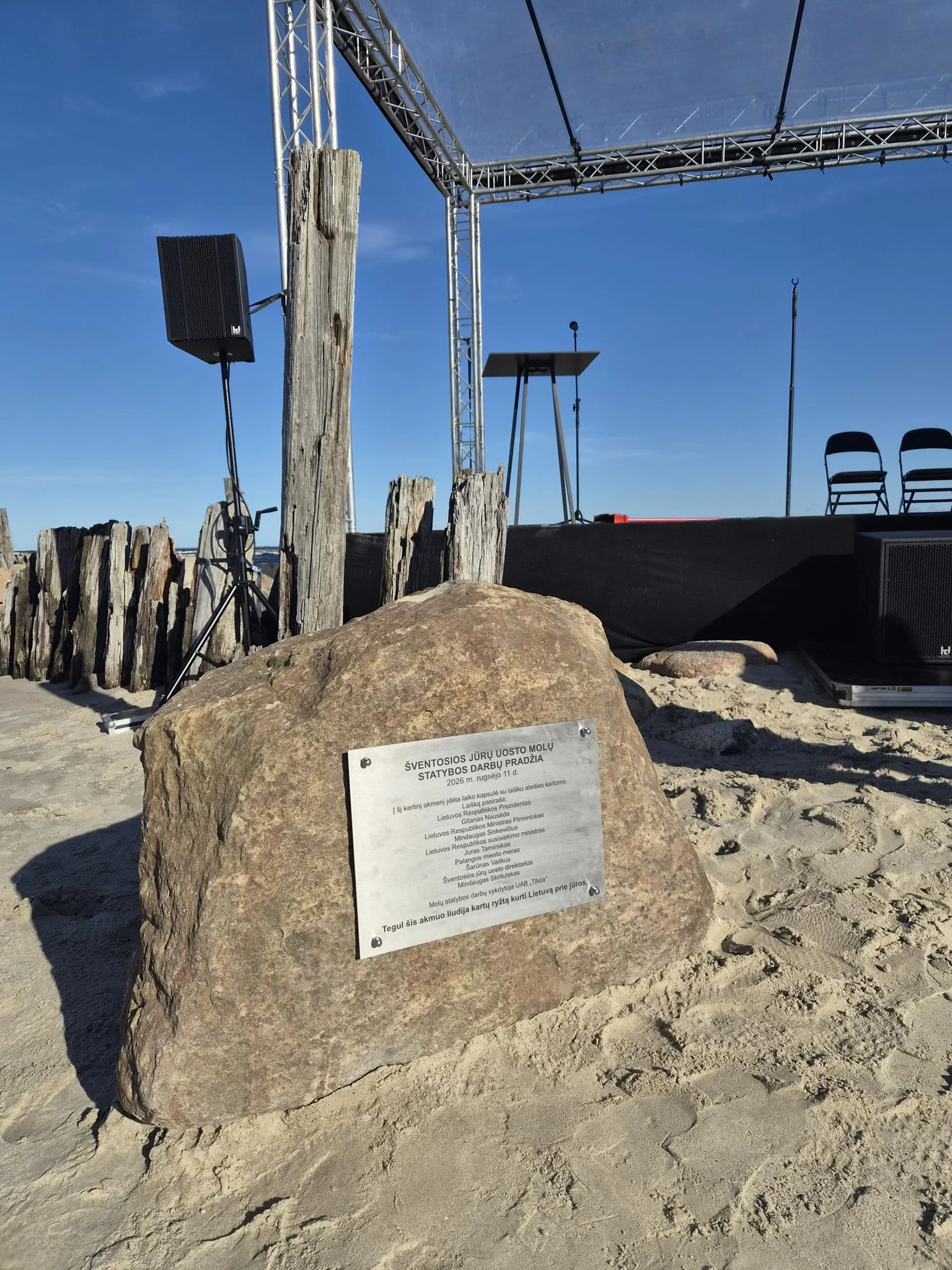
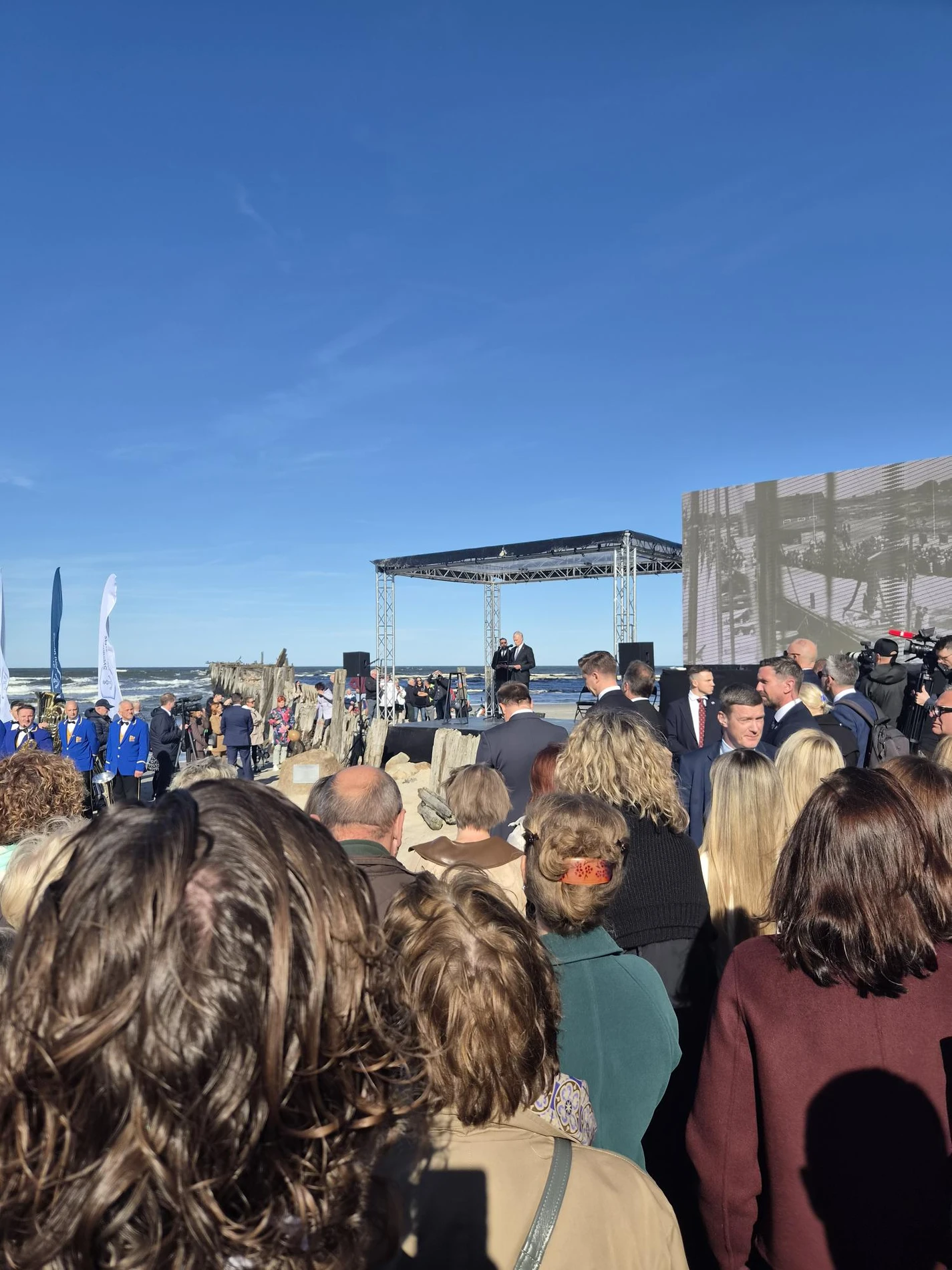
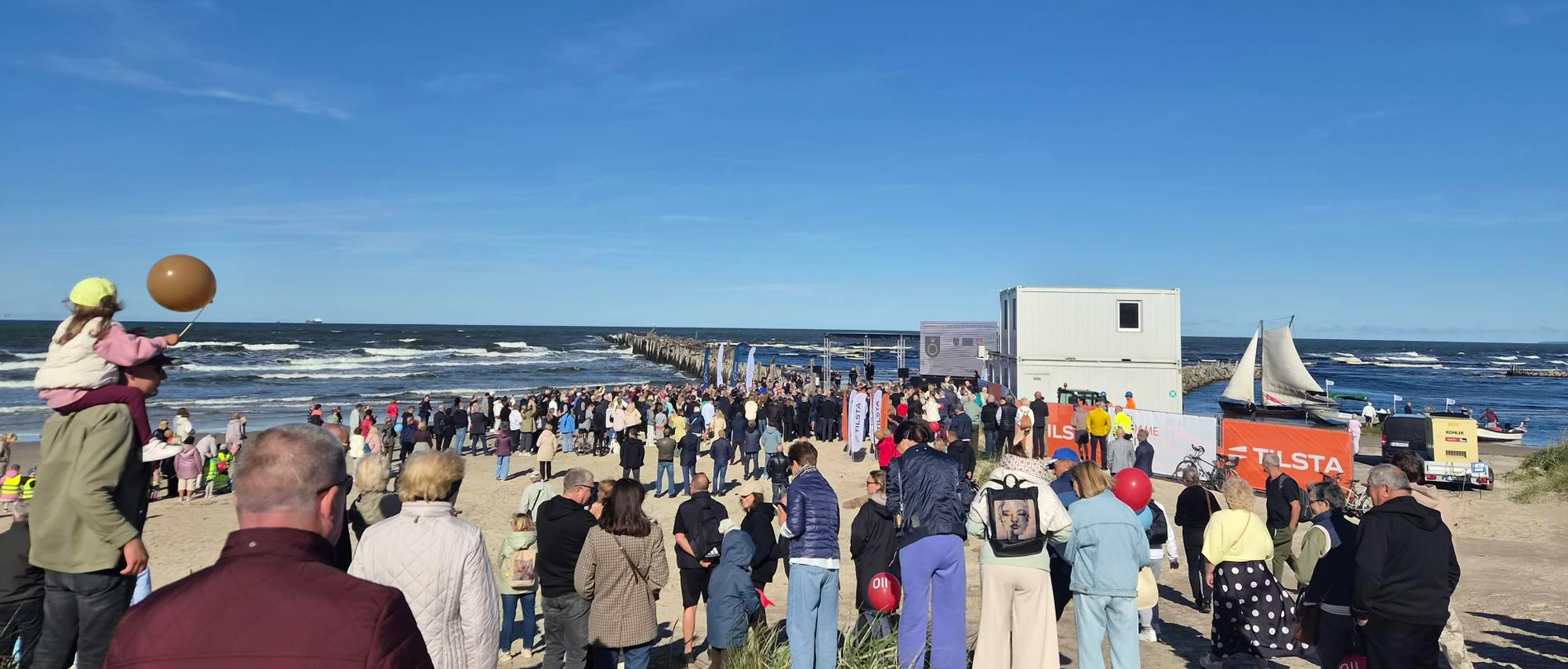
Today marks a historic event on the Lithuanian coast – in Šventoji, on the beach near the historic old pier, the start of construction of Šventoji Seaport was officially marked. The construction works will be carried out by UAB Tilsta, the winner of an international tender.
“For the Tilsta team, this is not just another ambitious project, but also an exceptional honour and responsibility to lay the foundations for Lithuania’s future as a maritime state. We are proud to be part of this transformation, and our goal is clear – to professionally and efficiently implement what has been developed over decades,” said Eduardas Grinaveckas, CEO of Tilsta.
Although this is one of the most complex hydraulic infrastructure projects currently being implemented in Lithuania, E. Grinaveckas assured that the company is prepared to build this strategically important facility on time and to the highest quality standards.
“We are fully prepared for the challenges ahead. We have already gained valuable experience working on projects in Klaipėda Port and inland waterways. We will therefore bring together our knowledge, team competencies and equipment fleet to ensure the smooth implementation of the Šventoji Seaport construction works,” assured E. Grinaveckas.
Project Works
The project will be implemented in three stages. First, the piers will be built and the entrance channel formed. Later, quays and the underwater retaining wall will be installed, and dredging works will be carried out in the port basin. In the final stage, utility networks and other port service infrastructure will be installed.
One of the most significant parts of the project is the construction of two new outer piers. They will form the port entrance and protect it from Baltic Sea waves and sand deposits. A 647.5-metre-long southern pier and a 402.5-metre-long northern pier are planned. The hydraulic structures will be built using boulders, reinforced concrete and metal structures.
Four quays will be built in the area of the southern pier, with lengths ranging from 57.6 to 254.4 metres. They will become the main part of the future port’s internal infrastructure. A 9-metre-wide promenade for pedestrians and port visitors is planned along the entire length of the pier.
Long-term mooring places for small vessels and yachts are planned in the port basin, creating conditions for the further development of marinas and for more active growth in maritime and coastal tourism.
The northern pier will primarily serve a coastal protection function – retaining sand deposits and helping ensure stable operation of the port entrance. Due to its structure, it will not be intended for visitors or walking.
A major part of the project will consist of dredging works in the port basin and entrance channel. A depth of 6 metres is planned at the port entrance, while the depth of the inner basin will reach 4 metres. This will allow the port to safely accommodate fishing and recreational vessels, yachts and, in the future, coast guard, rescue and other special-purpose vessels.
To reduce the amount of sand entering the port and ensure the stable operation of the entrance channel, a 135-metre-long underwater retaining wall will also be built.
During the construction works, all necessary port infrastructure will be installed – mooring equipment, electricity and water supply columns for vessels, lighting systems, utility networks and other infrastructure required for servicing vessels.
Benefits for Tourism and the Economy
Once the project is implemented, Lithuania will have a modern port for small and special-purpose vessels on the Baltic Sea coast. Šventoji Seaport will become an important part of the new maritime infrastructure, creating conditions for recreational navigation, sailing, fishing and tourism, while strengthening the maritime culture of Šventoji and Lithuania as a whole. It will also contribute to regional economic development, the creation of new jobs and the growth of coastal tourism in Western Lithuania.
Gallery